

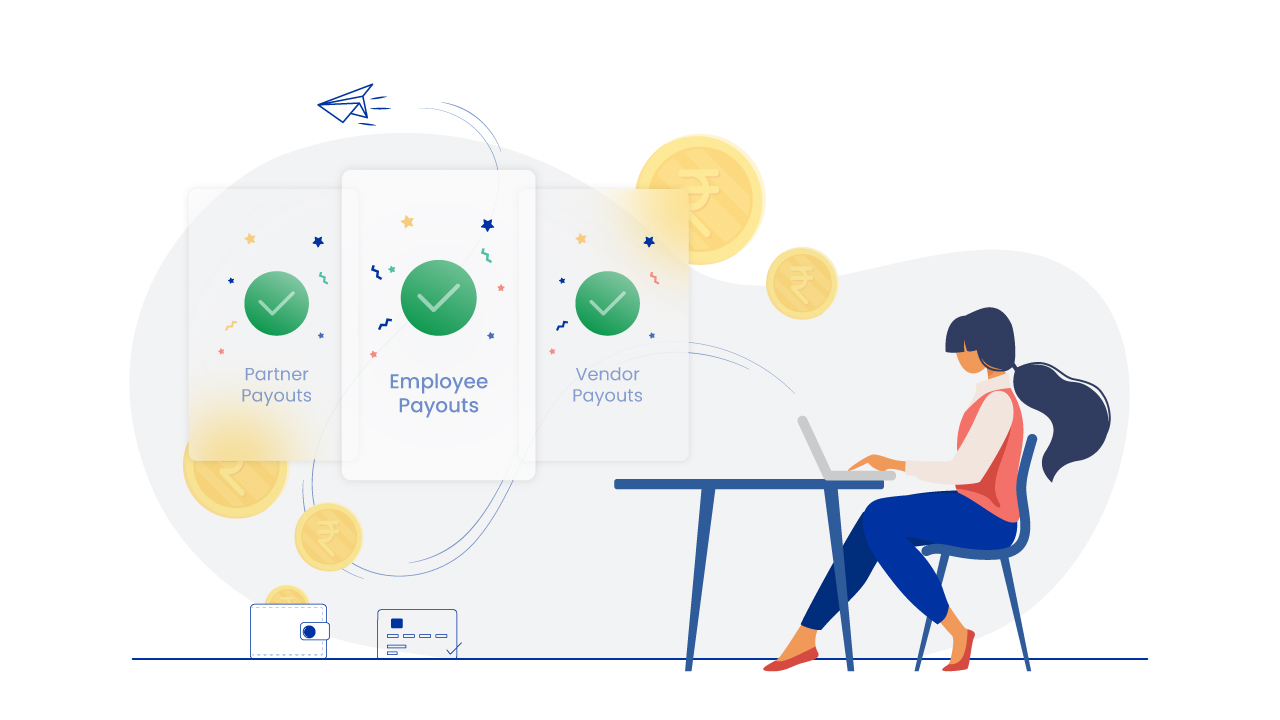
Every company wants to cut down on time. But a lot of people lose hours every week because their pay is slow. Bills need to be checked, payments don’t go through, refunds take too long, and employees waste time fixing problems that could have been avoided.
Everything works better when there is a better way to pay. Customers can pay with less trouble. Employees spend less time doing the same things over and over. It helps business owners better understand their cash flow, so they can focus on growing their company instead of trying to get paid.
The good thing is that you do not need to change everything overnight. Even a few improvements can make a noticeable difference.
Why Is Payment Process Important?
Getting paid should be the easiest part of running a business. But for many companies, it becomes one of the biggest daily headaches.
Almost every part of a business is affected when payments are slow or hard to understand. A smooth payment method, on the other hand, keeps things moving. Customers enjoy a smooth checkout process, and companies get paid faster without having to wait.
Signs Your Payment Process Needs Improvement
Many businesses continue using payment systems that worked well years ago but now struggle to keep up.
Here are a few warning signs.
Too Many Manual Tasks
If your team spends hours checking payments, updating spreadsheets, or matching invoices by hand, your process is costing more time than it should.
Payments Keep Failing
It’s not always the case that the customer changed their mind after the payment failed. Banks may temporarily reject transactions, or technical problems may stop the payment. Those sales could go away without a better method.
Customers Leave During Checkout
A long or confusing checkout often causes customers to abandon their purchase before completing it. The easier it is to pay, the more likely customers are to finish the transaction.
Payment Information Is Scattered
Using several payment providers often means checking multiple dashboards and downloading different reports. Finding the information you need becomes another job on its own.
A Wiser Way to Handle Payments
As your business grows, handling payments becomes more complicated. Selling in different countries, accepting various payment methods, or working with several payment providers can quickly create extra work.
At that point, many business owners start asking, What is payment orchestration? It is a way of connecting different payment providers and payment tools through one system that makes it easier to manage transactions from a single place. Instead of handling multiple platforms, businesses can organise payment flows more efficiently and simplify reporting.
The objective is not to replace everything you already use. It is to make the entire payment process easier to manage.
How Better Payment Processes Save Time
A better payment system removes unnecessary work from your day. Instead of constantly fixing problems, your team can focus on tasks that actually help the business grow.
Faster Checkouts
When customers can pay quickly, they are more likely to complete their purchase. Fewer abandoned carts mean fewer missed sales and fewer support requests. A simple checkout also creates a better first impression.
Less Manual Work
Automation takes care of many everyday tasks. Instead of checking payments one by one, businesses can automate confirmations, refunds, recurring payments, and invoice matching. That gives employees more time to focus on customers instead of paperwork.
Better Payment Routing
Every payment provider does not perform the same way all the time.
Modern payment systems can automatically send transactions through the provider most likely to approve them. This improves payment success rates while reducing the need for manual intervention.
Easier Reporting
Instead of switching between different platforms, finance teams can quickly review sales, refunds, payment trends, and daily transactions.
Building a Payment Process That Grows With You
The payment system that works for a small business may not work once the business expands. As sales increase, payment processes also become more demanding. A flexible payment setup makes growth much easier because it can adapt as the business changes.
This is especially valuable for companies that handle online, digital, and cross-border payments, as well as payment gateways and merchant payment solutions.
Small Changes Lead to Bigger Results
Businesses are always trying to save time by hiring more people or adding new software. Often the biggest gains are in fixing the everyday processes that silently slow everyone down.
A well-organised payment process helps customers complete purchases without frustration and gives staff more time for meaningful work.
In the long run, saving a few minutes on every transaction can add up to hours each week. Those hours can be spent serving customers, improving products, and growing the business.
