

The digital economy runs on data. Every decision, from launching a new product to identifying customer trends, depends on accurate and timely information. Businesses that can gather, analyze, and act on this data quickly gain a competitive edge.
Yet while there’s no shortage of information online, actually collecting and organizing it in a usable way has always been a challenge. That’s where scraping technology comes in, providing companies with the ability to extract valuable insights at scale.
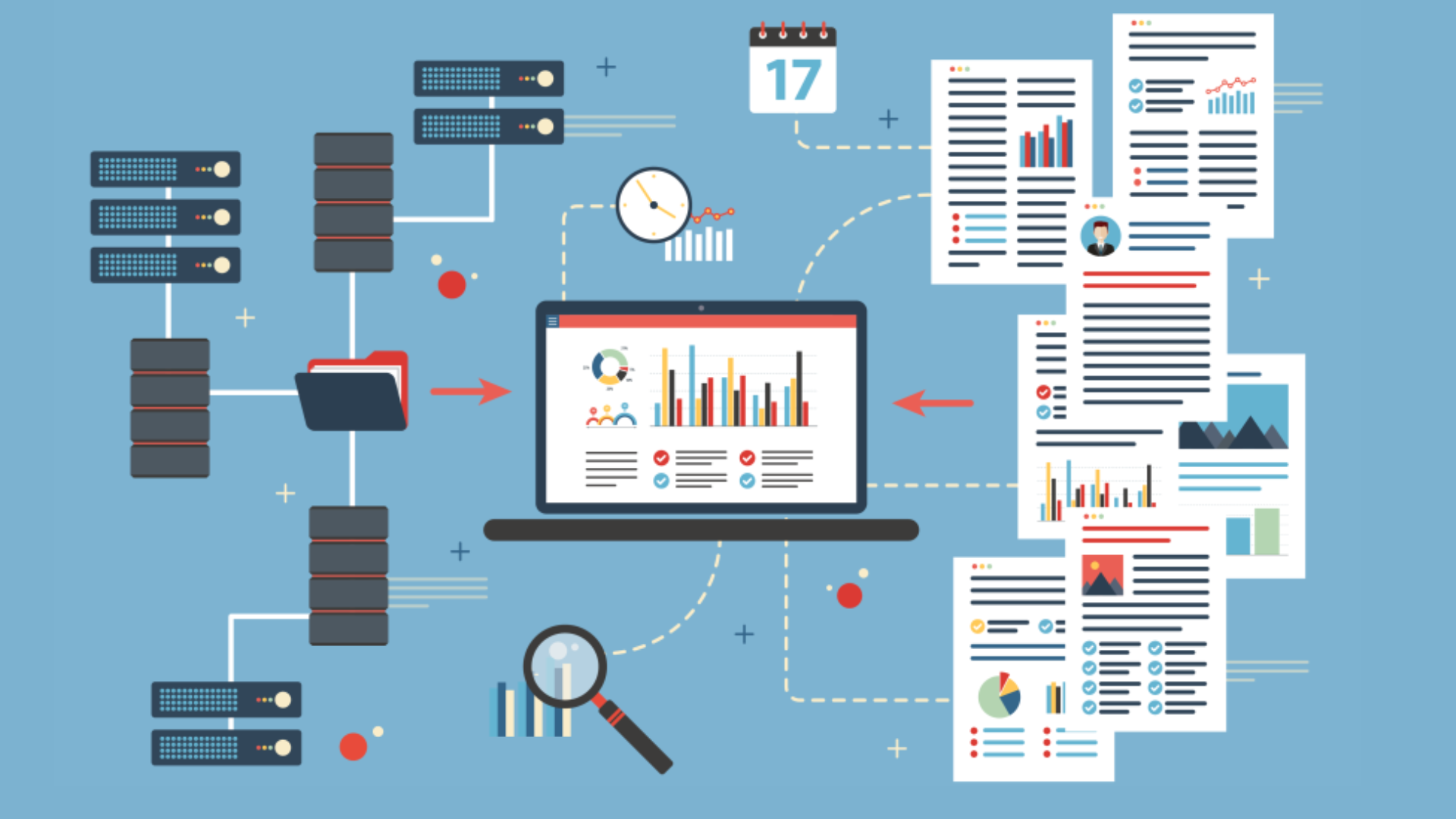
Think of the internet as an enormous library. Each website is a different shelf filled with books, articles, or documents. To fully understand a market, a company might need to read through thousands-or even millions-of those “books.” Manually, this is impossible.
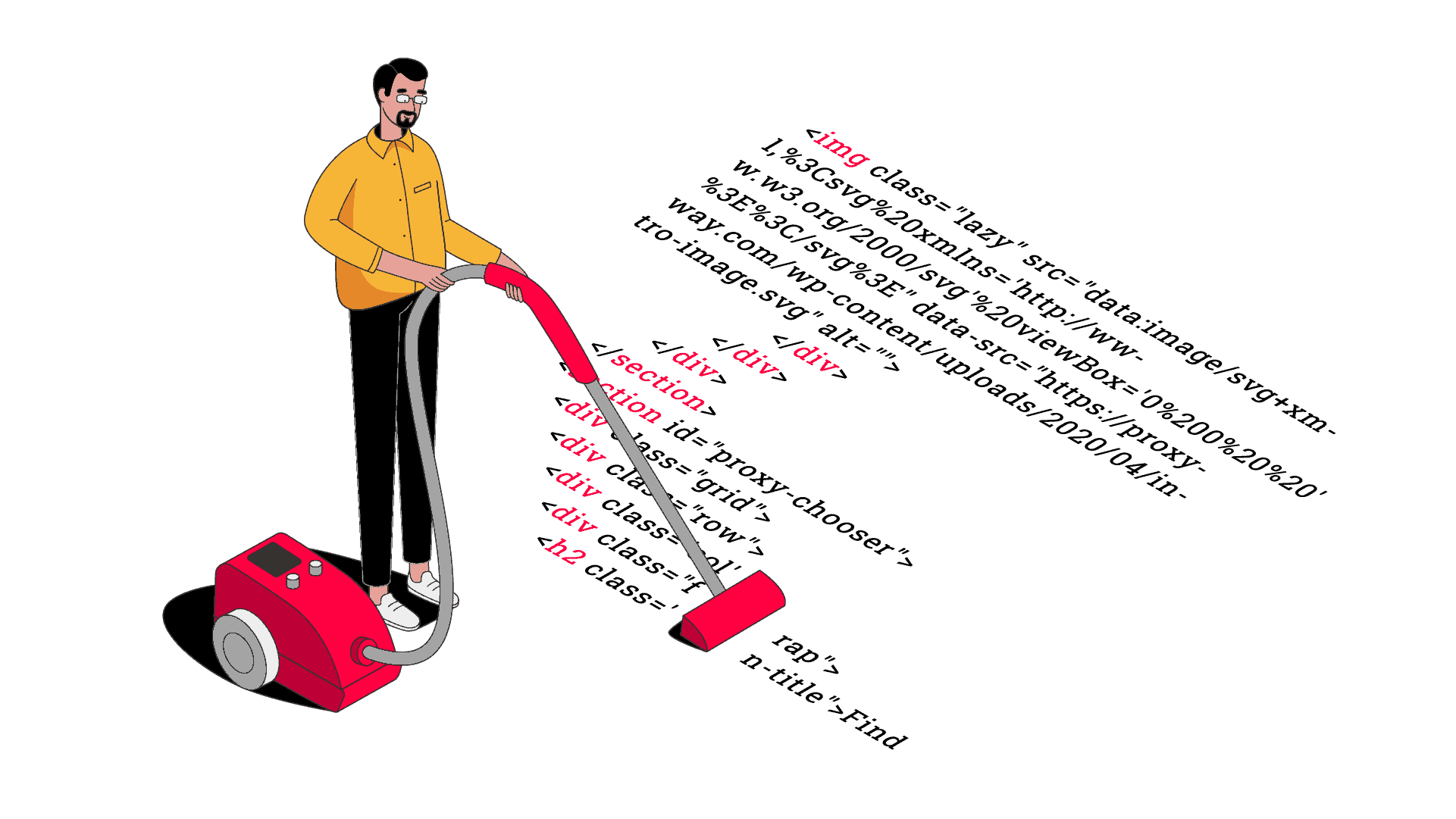
Automation steps in to do the heavy lifting, giving businesses a structured way to transform messy, scattered web content into clean datasets.
From Manual Copying to Intelligent Scraping
In the early days, scraping was often a do-it-yourself task. Developers wrote scripts to crawl websites and copy the information they needed. While this worked on a small scale, it came with headaches. Websites change their layouts, security systems block unfamiliar bots, and legal guidelines around data usage evolve.
Maintaining a homegrown scraping solution quickly became a full-time job, pulling technical teams away from their core responsibilities.
The introduction of professional scraping tools marked a turning point for e-commerce data extraction. Instead of building custom scripts for each website, businesses can now rely on specialized solutions designed to handle the complexity of large retail platforms.
A Walmart scraper, for instance, or a scraper API like ScrapingBee, enables teams to collect product prices, availability, and reviews without worrying about IP bans, JavaScript rendering, or proxy management.
This transforms Walmart scraping from a tedious technical challenge into a streamlined and scalable part of a company’s data pipeline.
Why Data Extraction Matters Today?
The reasons companies turn to scraping tools are as varied as the industries themselves. E-commerce platforms track competitor pricing daily to stay ahead in an ultra-competitive marketplace. Financial analysts monitor real-time news and stock movement data to anticipate shifts.
Marketers study online reviews and customer sentiment to refine campaigns. Even travel platforms rely on scraping to aggregate flight and hotel options for consumers.
In each case, the quality of decisions depends directly on the quality of data. Outdated, incomplete, or biased information leads to wasted investments. By automating the gathering process, scraping ensures that organizations operate with the most current and comprehensive insights possible.
Efficiency and Scalability
One of the most significant benefits of using advanced scraping tools is scalability. Imagine a startup analyzing five competitor websites manually.
With enough time and effort, they might manage to keep up. But what happens when they expand into a new region with 50 or 100 competitors? Suddenly, the task becomes overwhelming.
A solution like a scraper api eliminates that bottleneck. By plugging it into existing workflows, businesses can scale their data operations effortlessly.
What once took weeks of manual labor can now be completed in hours or even minutes. More importantly, this frees up human talent to focus on interpretation and strategy rather than repetitive data collection.
Ethical and Responsible Data Use
Of course, scraping raises important questions about ethics and legality. Not all data is meant to be harvested, and businesses must remain mindful of intellectual property rights, privacy laws, and terms of service.
Responsible companies use scraping tools not as a shortcut to exploit information but as a way to access publicly available insights more efficiently.
Transparency and compliance are key. Many advanced scraping solutions are built with safeguards that respect ethical boundaries while still allowing companies to extract the insights they need. This balance ensures that businesses can grow sustainably without compromising their reputations.
Looking Ahead
As artificial intelligence and machine learning continue to evolve, the role of scraped data will only grow in importance.
Training AI models, for instance, requires massive datasets drawn from diverse sources. Without structured and reliable input, these systems cannot learn effectively. Scraping tools bridge that gap, feeding algorithms with the fuel they need to make accurate predictions.
The future may even see scraping become more integrated with analytics platforms, where businesses can not only gather information but also analyze it in real time. The line between collection and interpretation will blur, giving decision-makers instant access to actionable insights.
Conclusion
In a world where information drives every industry, the ability to collect and process data efficiently is no longer optional-it’s essential.
Businesses that embrace modern scraping tools position themselves at the forefront of innovation, using accurate insights to move faster and smarter than their competition.
Whether it’s monitoring markets, understanding customer behavior, or powering AI systems, the value of reliable data cannot be overstated.
A scraper api is more than just a technical convenience-it’s a bridge between the overwhelming chaos of online information and the clarity that fuels real business growth.
